The Guild of Traditional Upholsterers’ David James Award recognises students who have done outstanding work on their third-year traditionally upholstered chair. Students are nominated by their training centres. The 2026 award went to Annabel Lloyd of St Albans Upholstery School, with Emma Wrafter second and Alexandra Brady third, both from The Chair School. We asked the three of them about the chair, the craft and what comes next. Their answers are below, in their own words.
First: Annabel Lloyd, R.E.A.L Upholstery, St Albans
Which piece won, and what did it teach you?
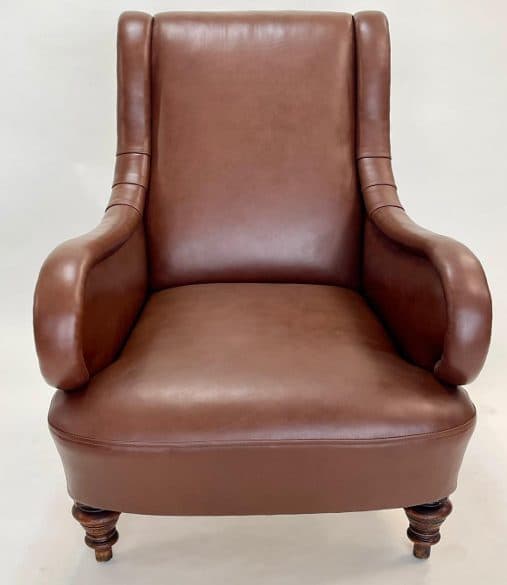
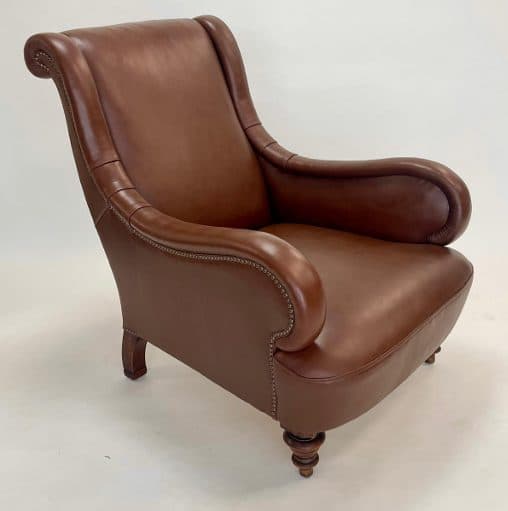
The winning piece was a Victorian mahogany armchair that originally featured cream upholstery, a high scroll back, top-stuffed arms and an independent sprung edge seat. Its elegant proportions inspired me to transform it into a timeless leather club chair, giving me the opportunity to work with leather for the first time.
The chair was rebuilt from the frame up using traditional upholstery methods and finished in Crest Premium Cocoa leather, generously provided by John Lewis. The original top-stuffed arms were re-formed using hessian, coir, animal hair and cotton wadding, creating a more streamlined, sculpted finish while retaining the character of the original chair.
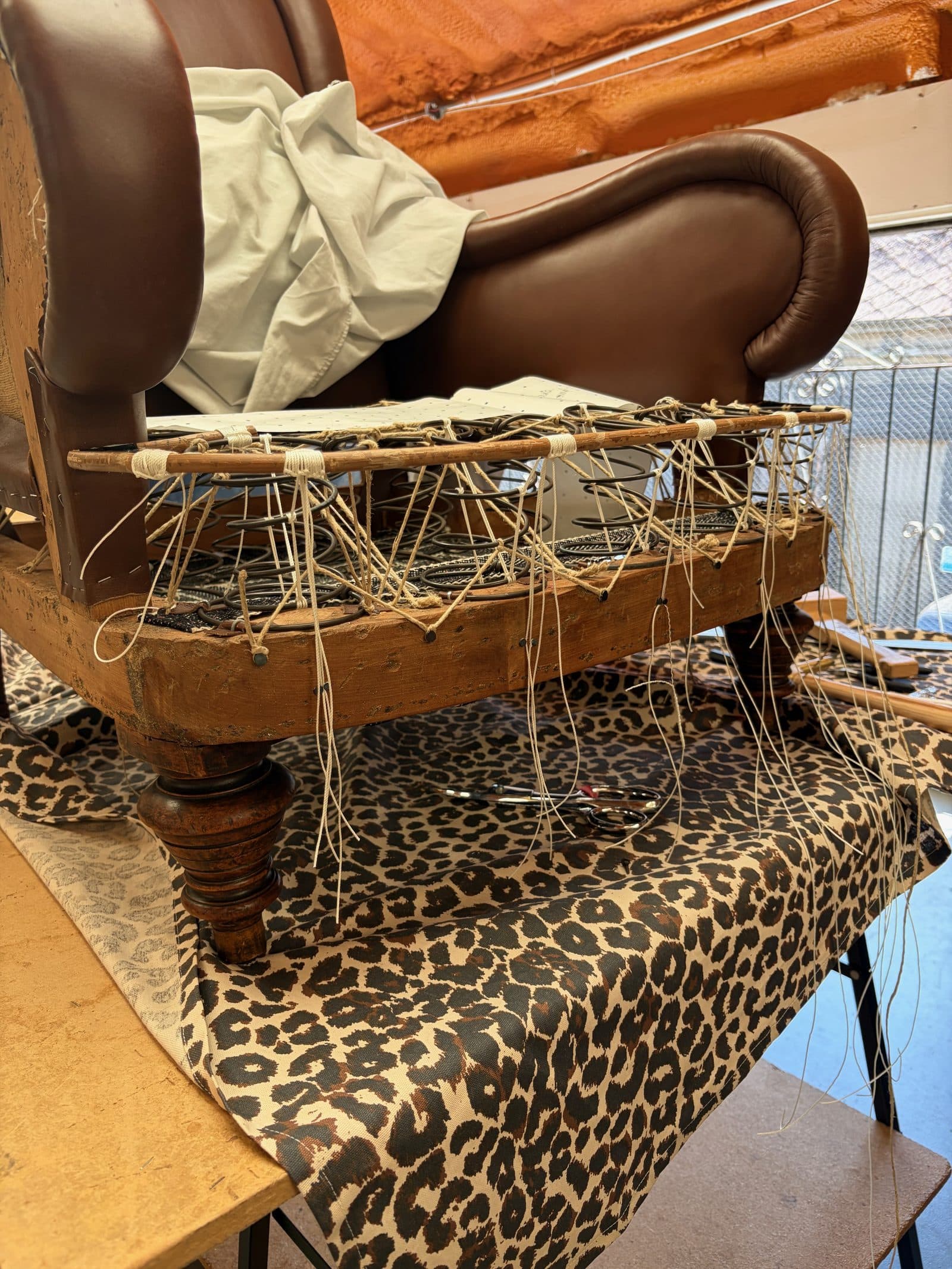
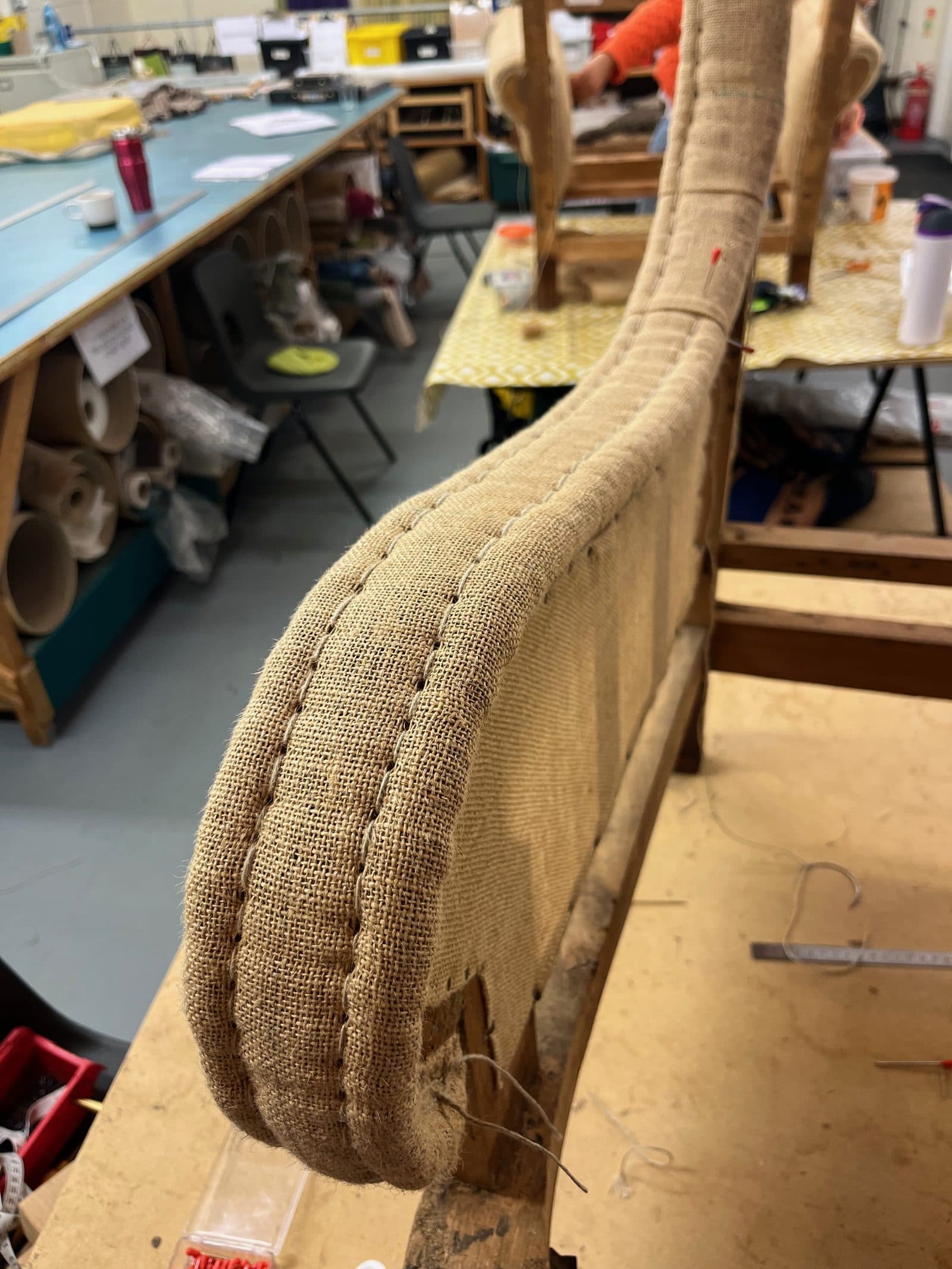
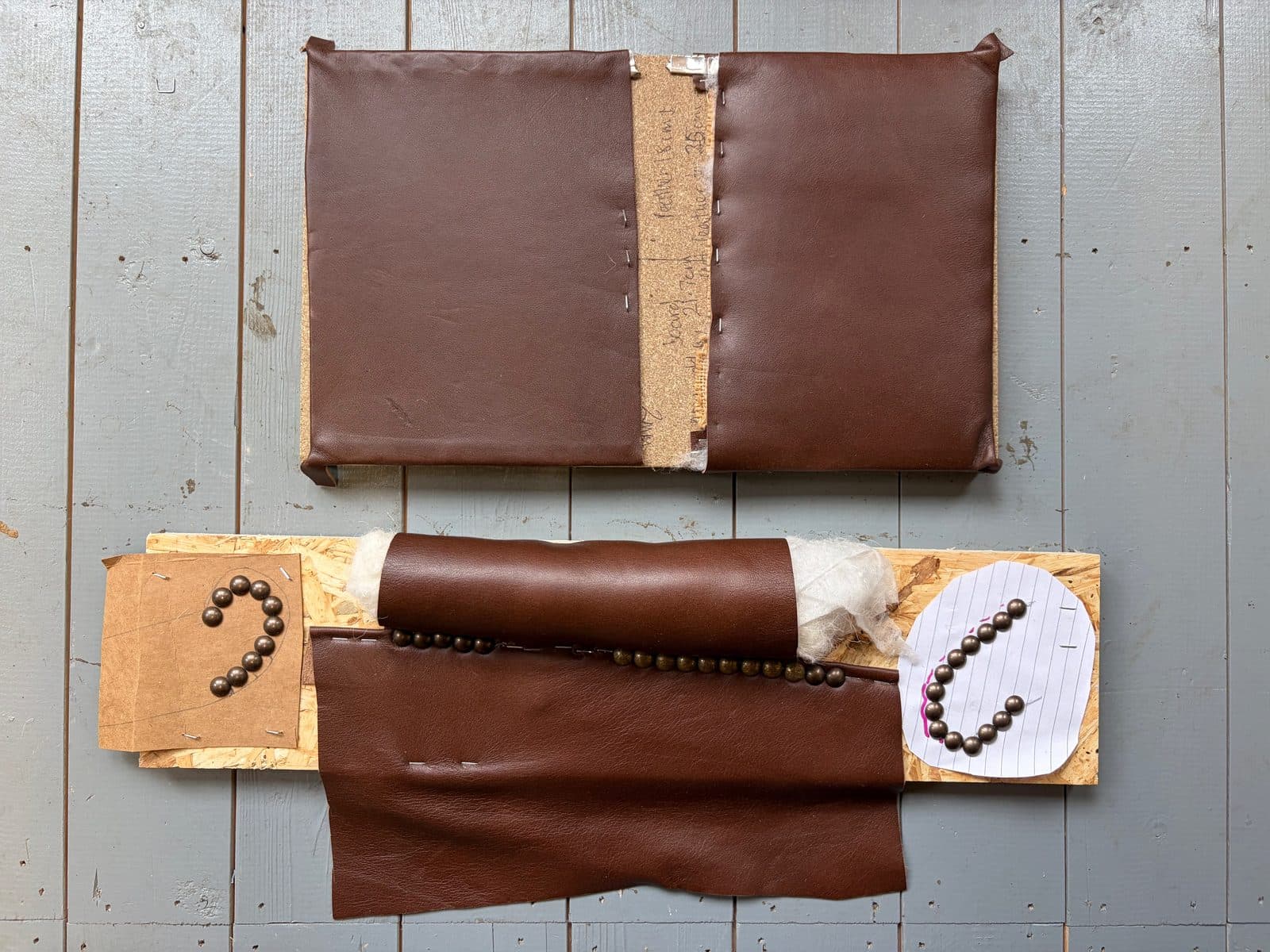
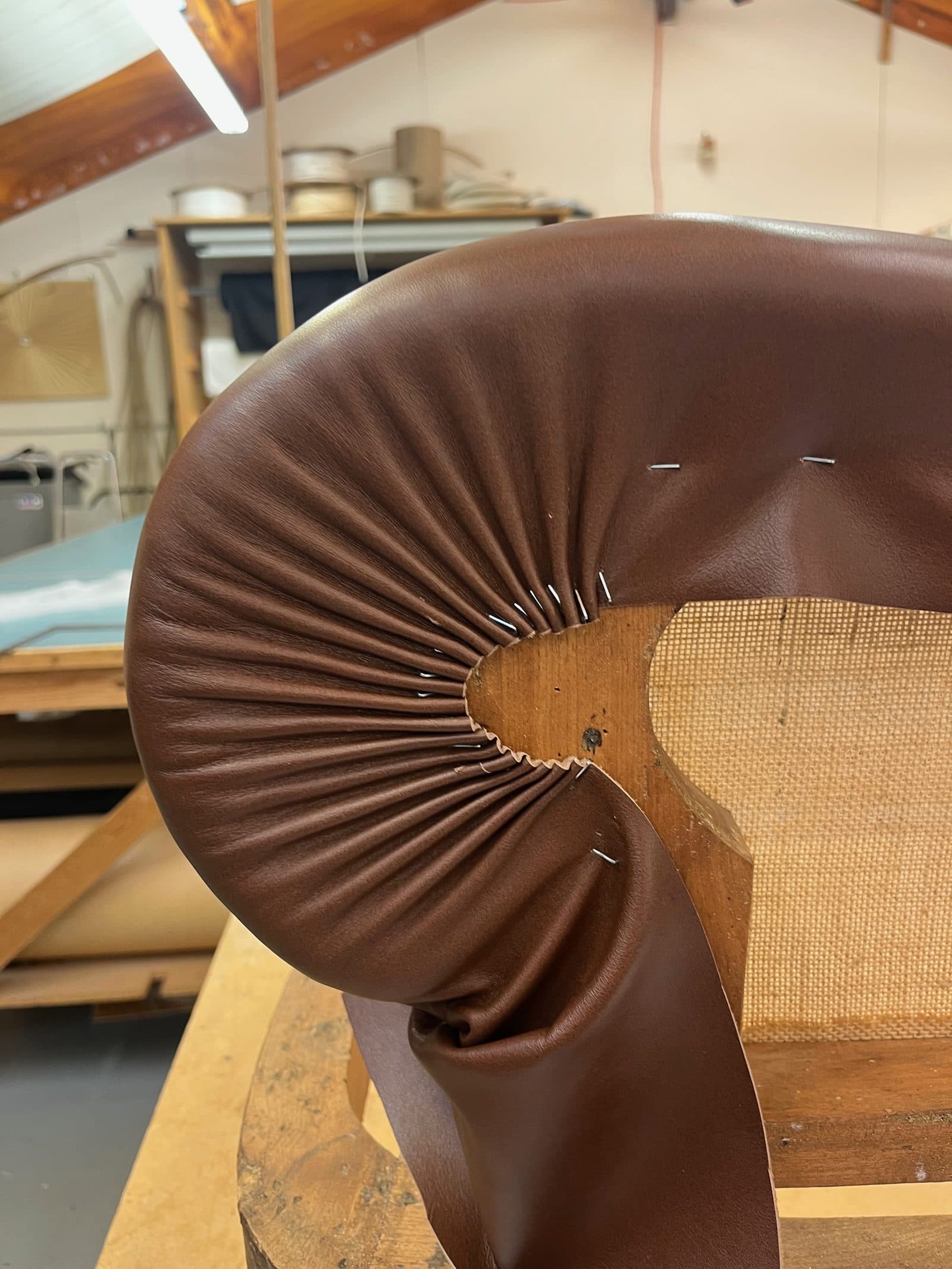
The project taught me the importance of understanding your top fabric before deciding on the most appropriate upholstery methods and techniques. Leather behaves very differently from woven fabrics, and understanding its properties helped me make decisions that complemented the chair’s shape and style. It also reinforced the value of making samples to test techniques before committing to the final piece.
This was particularly important when upholstering the scrolls on the top-stuffed arms. By pleating the leather perpendicular to the front and back scrolls, then securing it further around the arm, I was able to achieve a clean, even finish that made the most of the leather’s properties. It was a valuable lesson in allowing the material to inform the process, rather than simply applying a familiar technique to a different fabric.
“It was a valuable lesson in allowing the material to inform the process, rather than simply applying a familiar technique to a different fabric.”
— Annabel Lloyd, R.E.A.L Upholstery
What do you enjoy most about traditional upholstery?
I enjoy the problem-solving involved in traditional upholstery and the fact that no two frames are quite the same. Each piece presents its own challenges, and I love exploring how different stitching methods, fillings and techniques can be used to control the final shape, comfort and form of a chair.
For me, the internal upholstery is just as important as the finished appearance. I take great satisfaction in building a piece properly from the inside out, using traditional methods and natural materials such as coir, animal hair and other loose fibres to create the right structure and feel.
I also enjoy thinking through a project before starting work, testing ideas and making samples. Traditional upholstery rewards patience and a consistent approach, and I find that taking the time to understand a piece and plan each stage makes a real difference to the result. I particularly value the opportunity to restore and extend the life of existing furniture, combining craftsmanship with a more sustainable approach to furnishing our homes.
What are you doing next?
Since graduating in July 2026 with my three-year Diploma in Upholstery from St Albans Upholstery School, I’ve been developing my own practice through R.E.A.L Upholstery (realupholstery.co.uk), my home-based upholstery studio in St Albans. My work encompasses the restoration, renewal and reupholstery of furniture, from sensitively reviving antique and vintage pieces to creating bespoke headboards, ottomans and cushions.
Sustainability is at the core of my work. I aim to repair and renew furniture wherever possible, using traditional techniques, natural fillings and responsibly sourced, durable materials to reduce waste and extend the life of each piece.
I’m also part of Collect Four Upholstery, a collective formed with three fellow graduates from the diploma. We spent three years learning together, sharing the challenges of fabric, tacks and needles, along with plenty of tea and coffee. With four different personalities and individual approaches to upholstery, the collective is particularly valuable. Upholstery can be quite solitary work, so I really appreciate being able to continue sharing ideas, inspiration and support as we develop our own practices.
Alongside my studio work, I spend one day a week working with my diploma tutor, Liz Alsop, at Hatfield House, helping to restore and reupholster antique pieces, many of which have never been reupholstered before. I’m currently working on a Victorian iron-back armchair, a type of construction I hadn’t tackled before. It’s a wonderful opportunity to learn from Liz’s experience, work with original frames in such good condition, hone my restoration skills and deepen my knowledge of traditional upholstery techniques.
My focus now is on continuing to develop my technical skills, gaining experience with a wider range of historic furniture and building a practice that combines traditional craftsmanship, restoration and sustainable upholstery.
Second: Emma Wrafter, Apsley Studio
Free, every fortnight
Get the next issue in your inbox
Technique, finished work, trade news and live jobs, for the bench and the studio.
Subscribe freeWhich piece won, and what did it teach you?
As part of the third year AMUSF diploma I undertook the complete reupholstering of two chairs; modern and traditional.
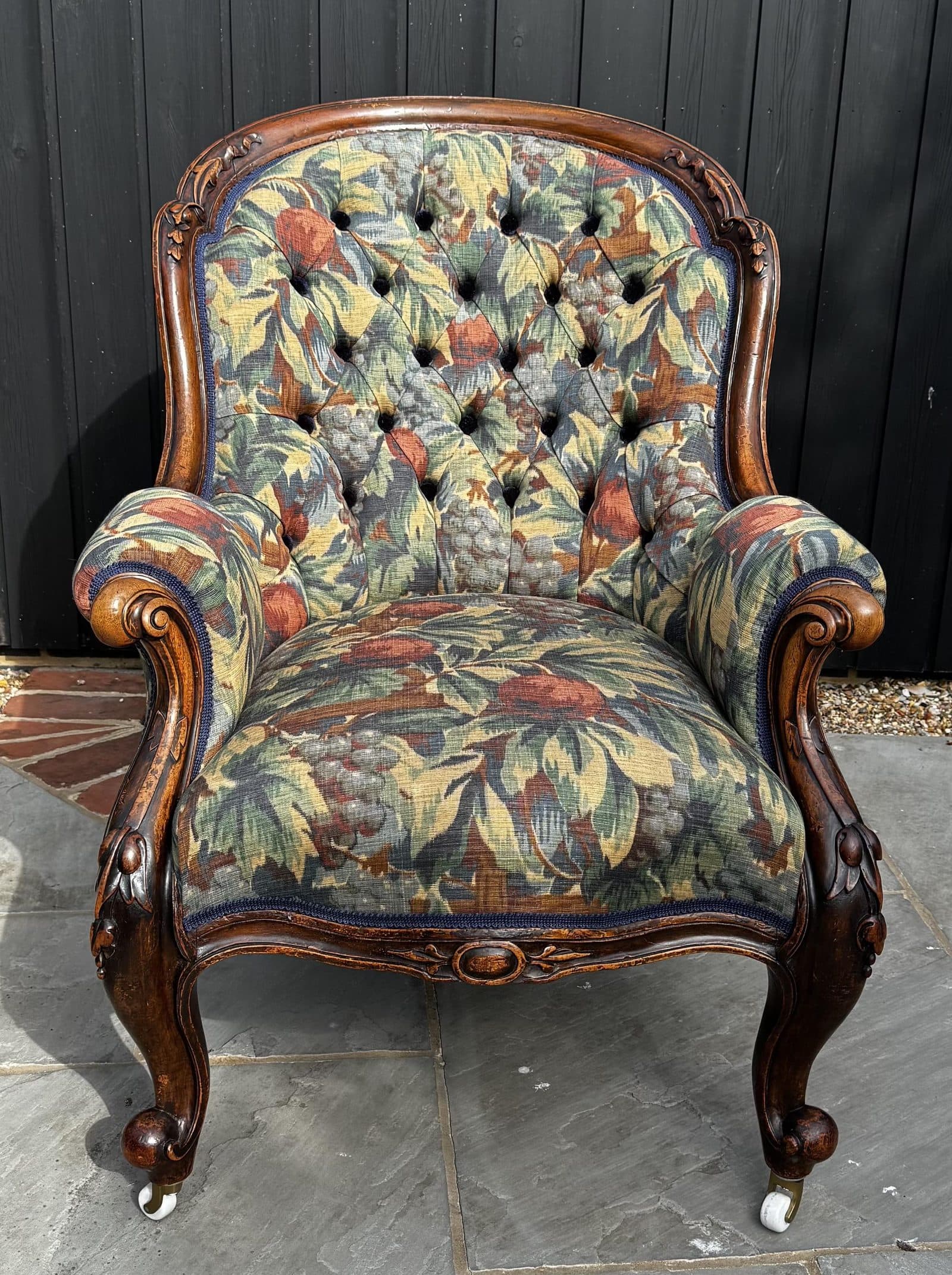
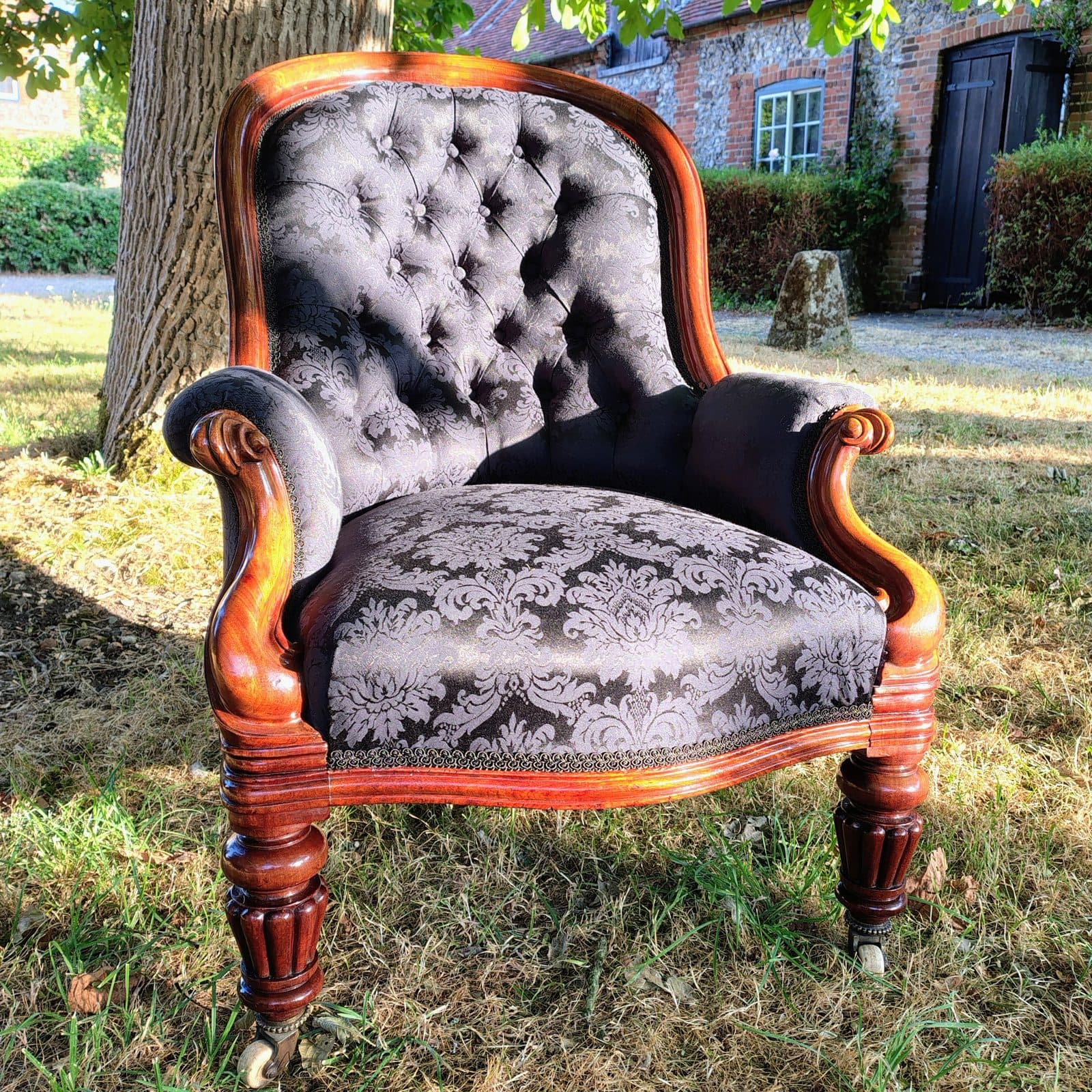
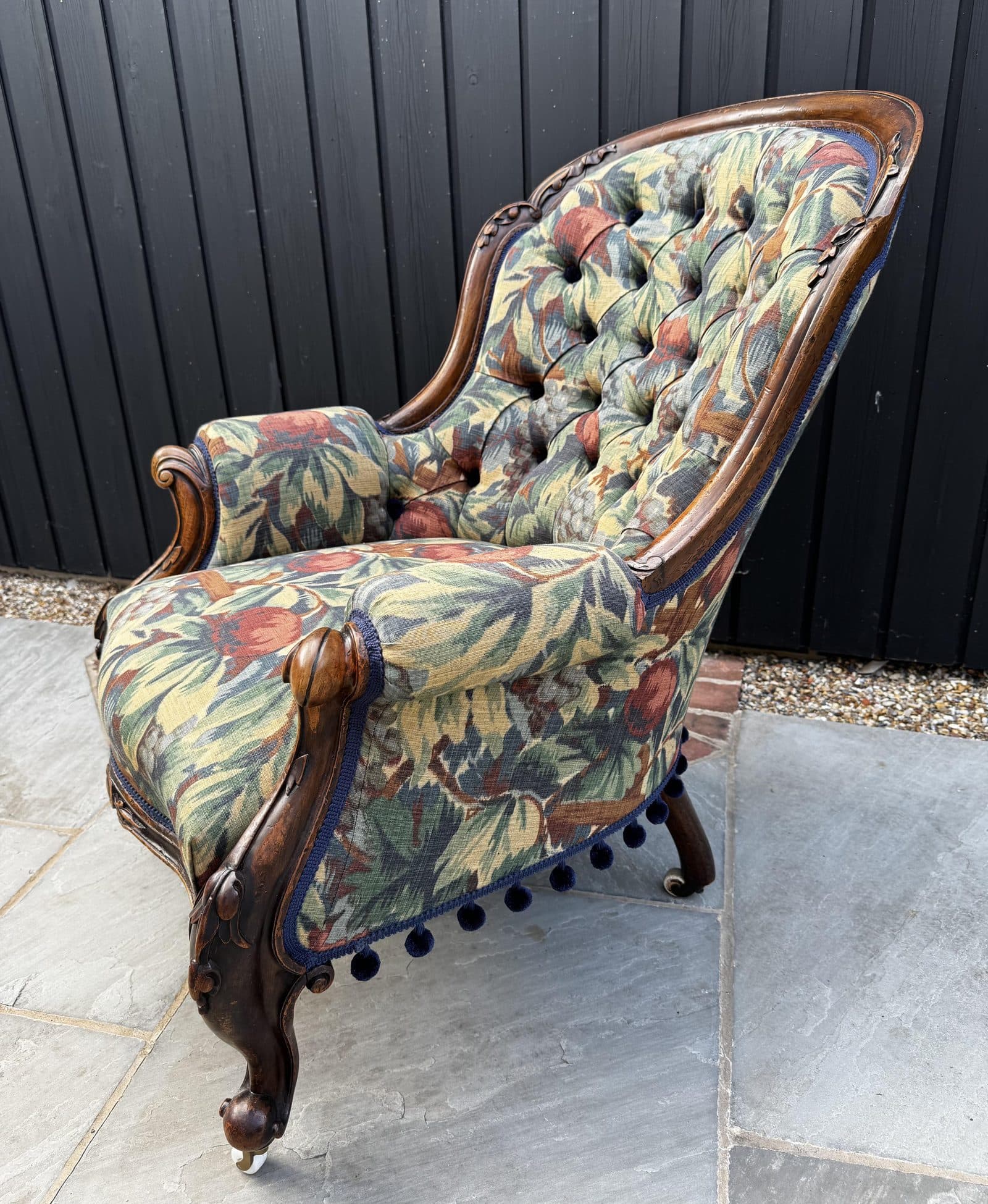
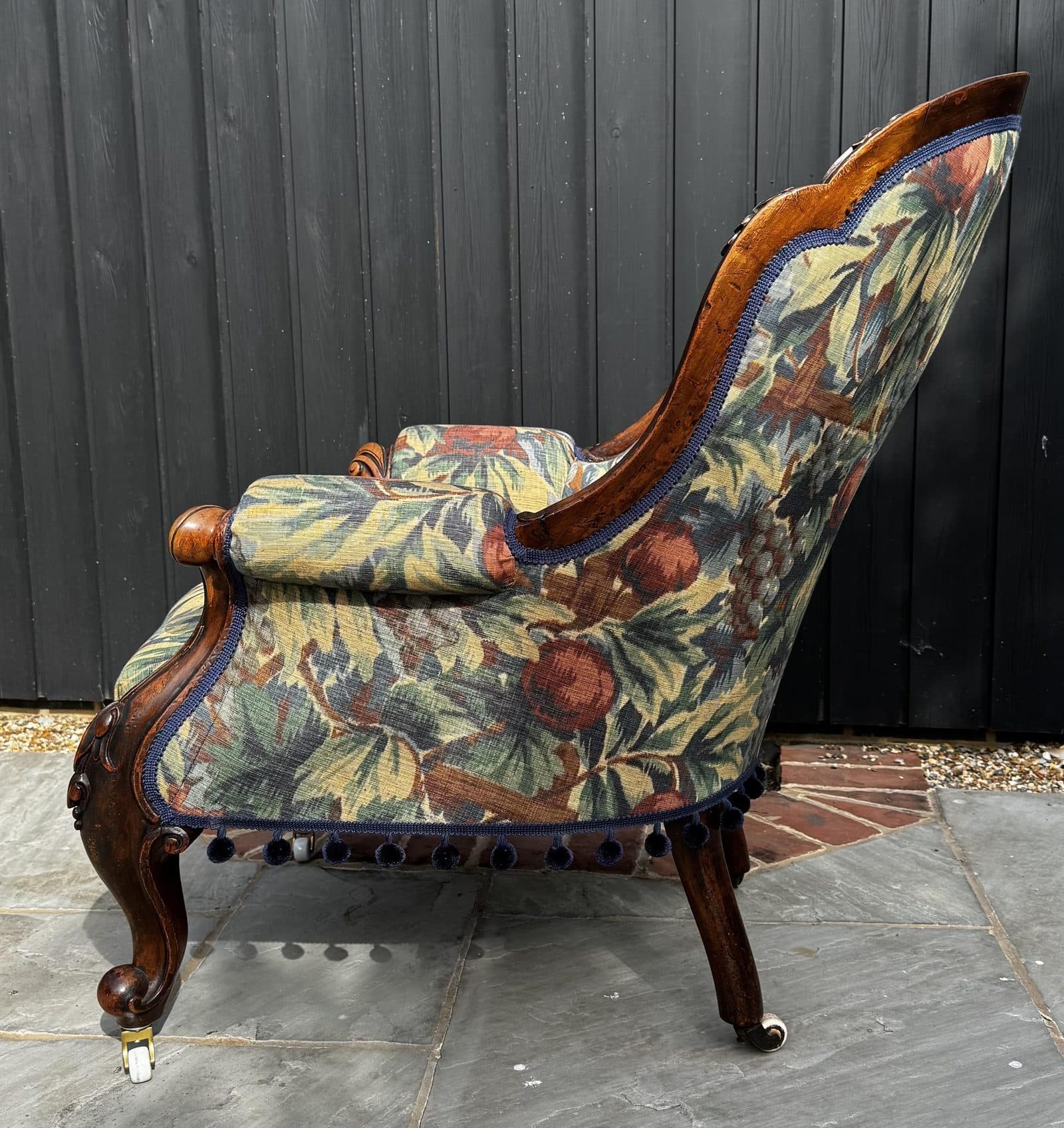
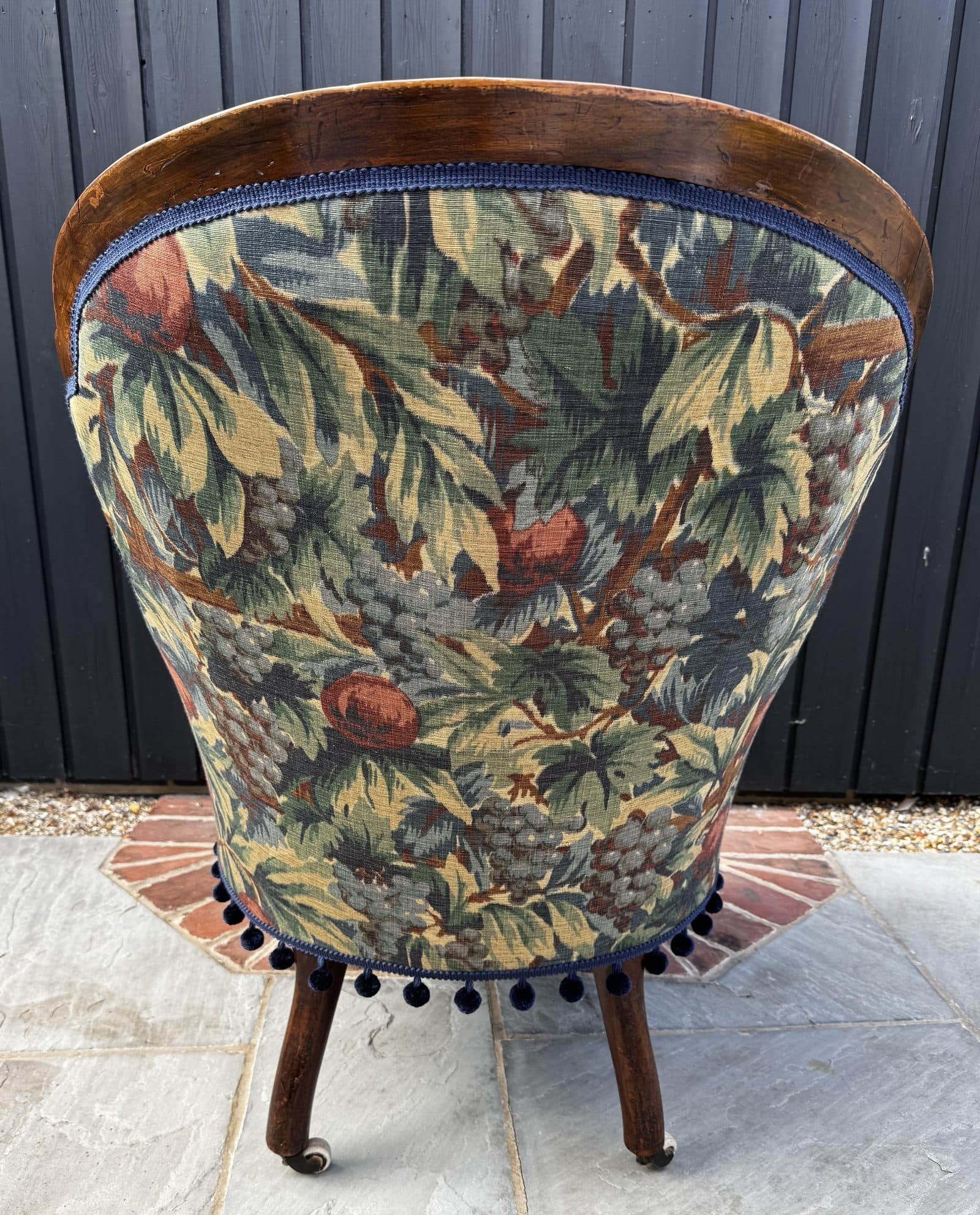
My chosen traditional piece was a mahogany framed, mid to late Victorian armchair which provided the opportunity to develop further skills in making the structural elements of a seat using springs, stuffings and stitchwork, building up the desired profile for the period of frame. It also offered another chance to tackle deep-buttoning, this time creating the diamond folds using the Hazleton House Syrah fabric straight over the cotton felt and making the buttons using Troynorth’s Pom-Poms.
Each chair has its own story and the stripping out process often provides an exciting insight to its history, maker and origination. However, stitchwork has been the most interesting of techniques to begin to master; not only in how differing sizes, types and tension can hold or smooth a shape, but also in placing the history or region of a piece.
Which traditional technique would you most like more upholsterers to learn?
Keeping the heritage craft of upholstery alive is important but to enable more people to afford this type of repair we need also to be pragmatic, learn re-use of existing pads, use new layering products such as latex coir or hair where appropriate and adapt new techniques and tools to speed up the process.
What are you doing next?
And next? Well, there is always another chair in need of repair!
Like many upholsterers I love the process and reward of renewing a used piece, extending its life and reducing waste. What began as an exploration to reconnect with a hands-on craft has now become a passion such that I am in the process of setting up a small studio and already have commissions on the books. I am also continuing my learning at The Chair School currently looking at sustainable layering alternatives to polyurethane foam together with a cohort of amazing colleagues sharing our ideas and experiences.
Contact Emma Wrafter at ApsleyStudio@gmail.com or @apsley_studio.
Third: Alexandra Brady, The Chair School
Which piece won, and what did it teach you?
There were a lot of firsts for me with my chair.
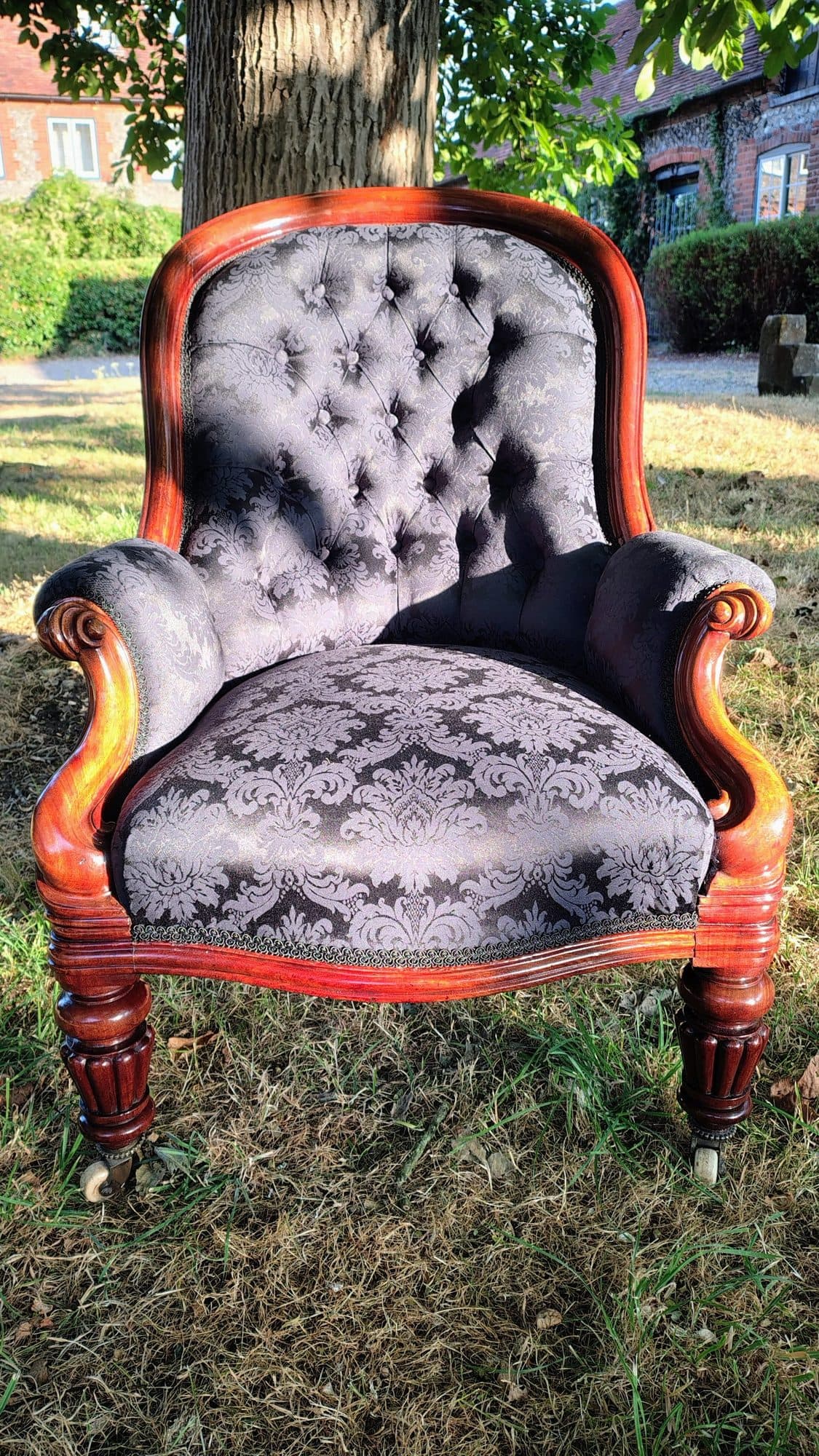
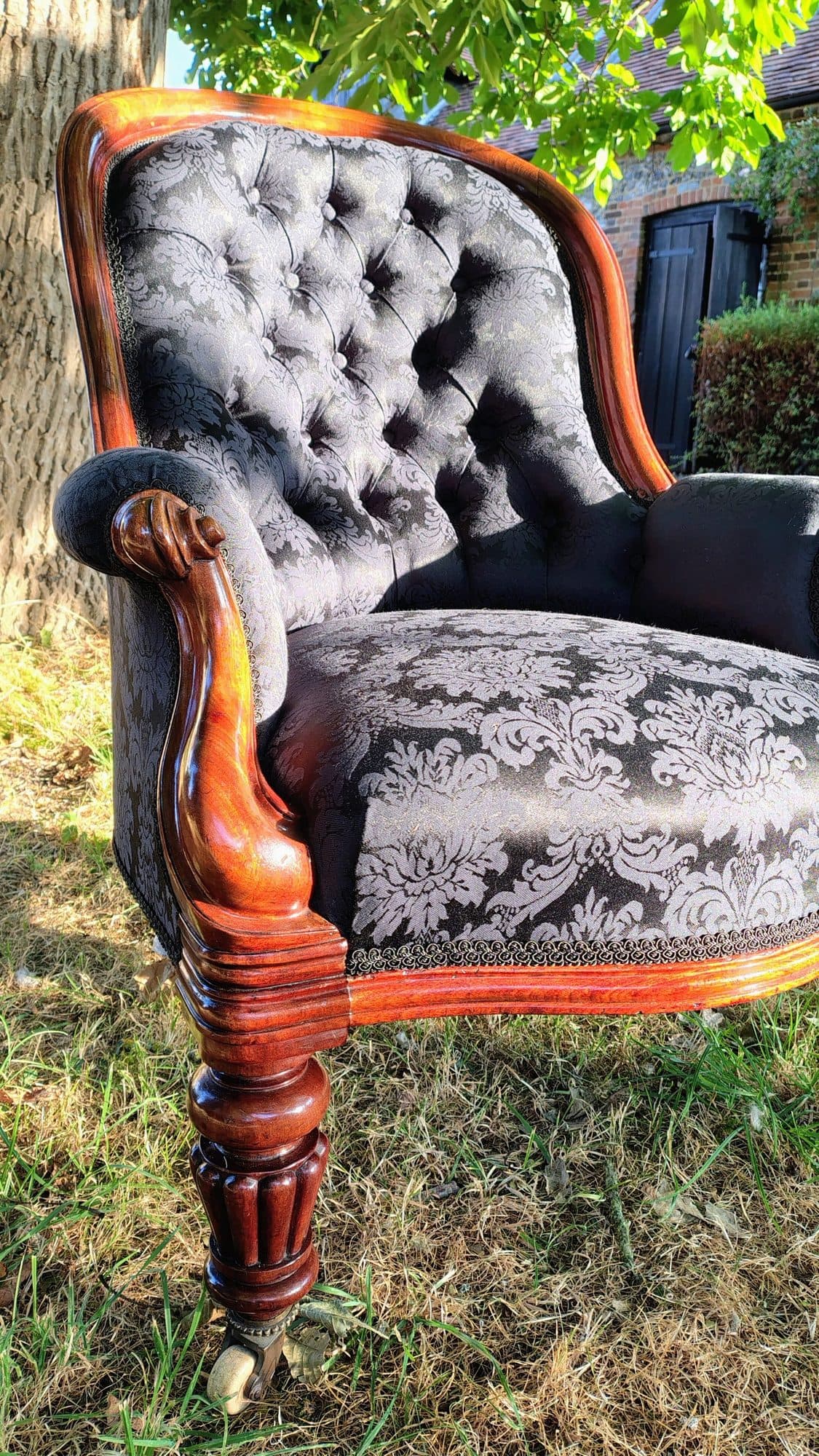
Regenerating the woodwork and bringing the mahogany back to life, using linen scrim, it can be quite unforgiving when stitching or maybe I’m just a bit heavy handed! Identifying areas of the frame that will not take the hammering of putting tacks in so knowing when to use a staple gun to prevent blowouts, but mostly going straight in with the fabric for the buttoning, no pre sewn calico underneath, it also saved me doing the job twice! And I found the buttons go much deeper into the inside back giving a more dramatic finish! For my chair I used Fabric by Hardy and Trim by Troynorth.
Which traditional technique would you most like more upholsterers to learn?
Tough one, everyone has their strengths and weaknesses with all the stages needed to complete a piece of furniture. I believe each stage is important with traditional upholstery, to me I try and treat it as a structured process, with a building block approach which in return gives you a better understanding of the foundations, as each layer is key for the next for everything to work cohesively.
This way also helps me not to rush the process which helps prevent more mistakes as you work through each layer of the chair and the skills required to complete it.
But if I had to pick one, for me, it would be stitching, without it you couldn’t create a definitive shape or edge to your furniture, no front walls for support giving less durability and losing comfort in the process.
What are you doing next?
Working on all the areas that still need work! Practice Practice Practice.
Trying out new sewing techniques, love top stitching leather and vinyl, automotive style, so looking at getting better at that.
And got myself on a lampshade course, so I can use up all those remnants of fabric from other projects!
The Guild of Traditional Upholsterers
Answers supplied in writing by Annabel Lloyd (12 October 2026), Emma Wrafter (16 October 2026) and Alexandra Brady (16 October 2026) in response to questions from The Furniture Magazine, and published as sent apart from house style. Final text approved by Annabel Lloyd (12 October), Alexandra Brady (19 October) and Emma Wrafter (24 October 2026). Placings confirmed by Katerina Gibb, Chairman of the Guild of Traditional Upholsterers. Photographs supplied by each winner and credited as they asked. This piece is editorial and was not paid for.
The Furniture Magazine
Every issue, free in your inbox
Technique, tools and materials, finished work worth studying, trade news and jobs — free to the bench and the studio.
Subscribe Free