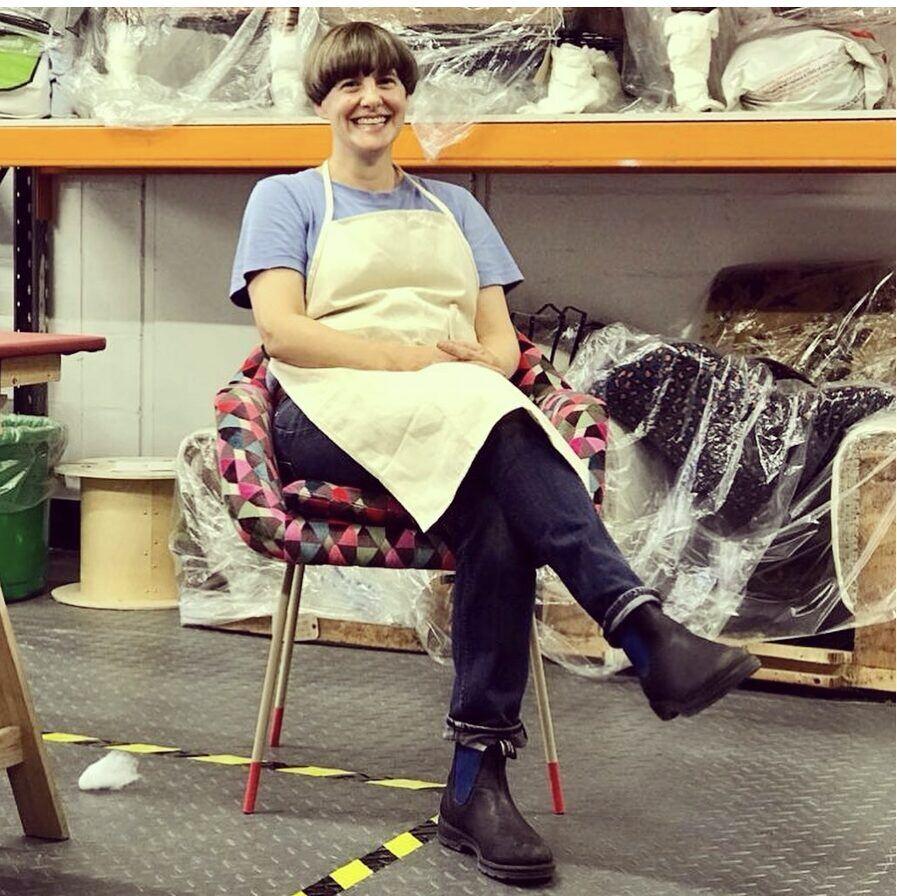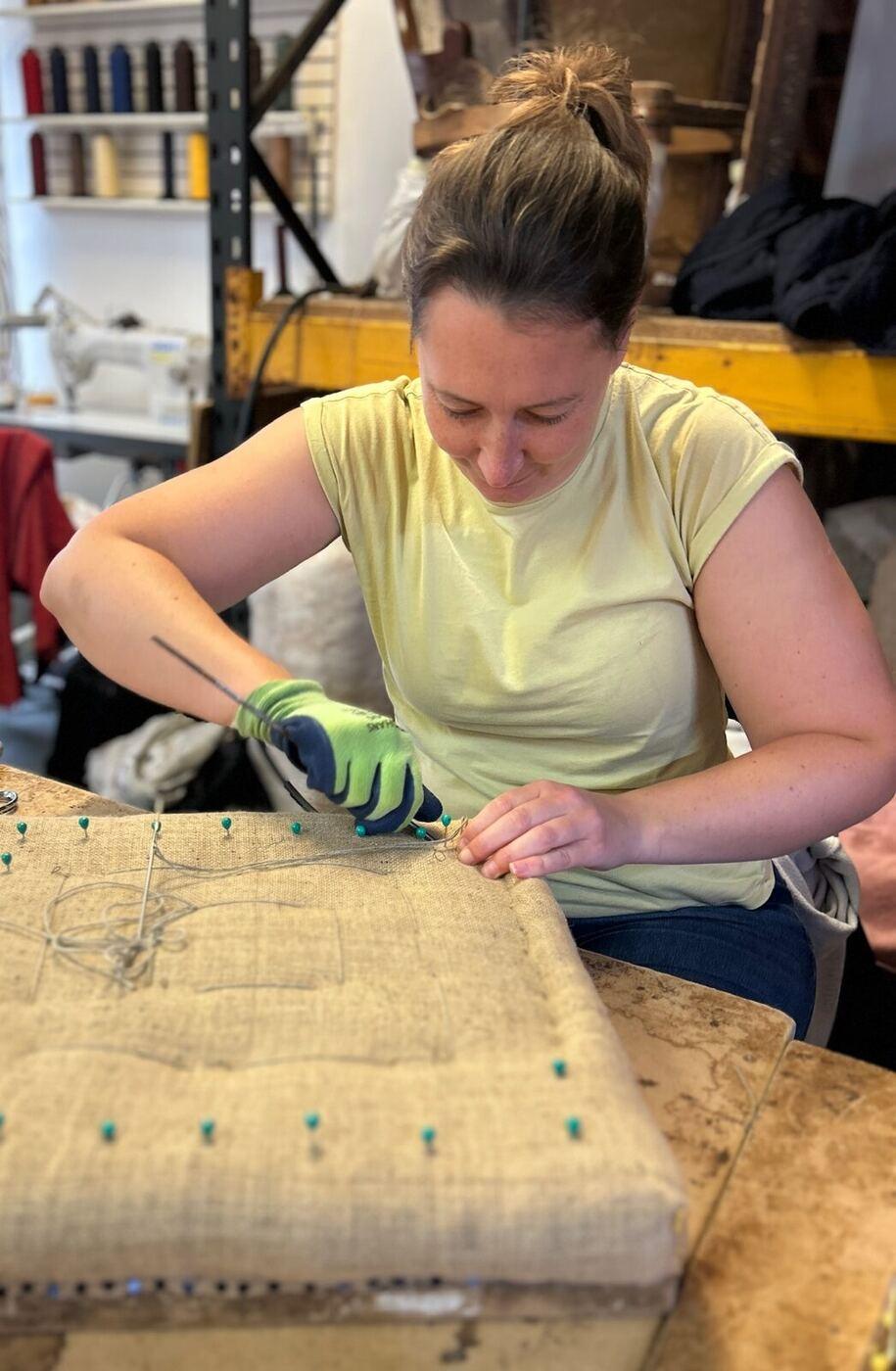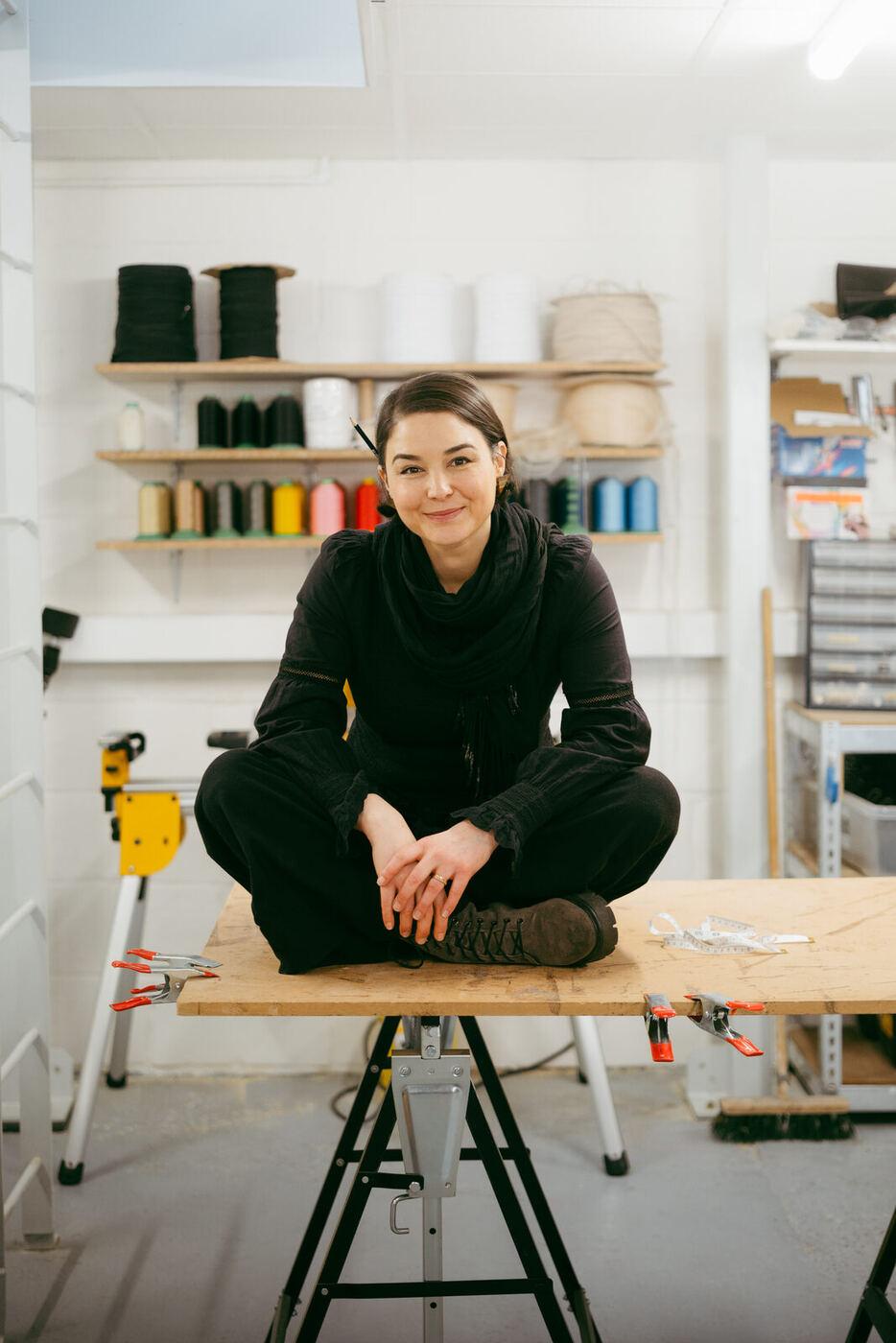
Sonnaz Nooranvary began her career as an apprentice at Sunseeker at 17 and is the author of Upholstery School. We asked her how to get into the trade today.
You started as an apprentice at Sunseeker at 17. What did that first workshop teach you that you still use every day?
It was such an incredible opportunity to begin my career at 17, and I remember wanting to learn absolutely everything I possibly could. One of my clearest memories is being handed my very first toolbox, complete with tools, some of which I still have today! I was shown how to use each one, but the thing I remember most was the wonderful pair of shears I was given. Those shears felt like the key that unlocked the door to this extraordinary world of upholstery I was about to discover. And the lovely thing is, I still use shears every single day in my workshop. They're such a fundamental part of my craft, and every time I pick them up, there's a little connection to where it all began. That same curiosity, excitement and desire to keep learning has never left me.
If someone wanted to start in upholstery today, where would you tell them to begin: an apprenticeship, a college course, a short course or a job in a workshop?
My apprenticeship was a real gift, and it saddens me that traditional apprenticeships are becoming increasingly difficult to find. It's something I feel very passionate about changing in the future. However, through judging the awards I sponsor with Heritage Crafts and The Furniture Makers’ Company, I've seen just how many fantastic opportunities still exist to learn these skills. Many of the talented upholsterers I meet began with a short course before working in a workshop or establishing their own business. The standard of teaching is exceptional, and these courses offer a brilliant introduction to a broad range of skills. So, although the traditional apprenticeship route may be harder to access, there are still wonderful ways into the trade, which I find incredibly encouraging.
What should a beginner learn first, and what can wait?
I vividly remember how much my hands ached and how many blisters I had when I first started! Candidly, one of the first things you learn isn't necessarily a skill, but how to build up the strength and resilience in your hands. One day, you suddenly realise that the tasks that once hurt no longer do! One of the first practical skills I learnt was cutting fabric. I spent hours cutting endless rows of borders for mattress covers destined for the bunks on Sunseeker yachts. I quickly learnt how to cut an accurate half-inch seam allowance by eye, without marking it first, which saved an enormous amount of time. Understanding how different fabrics behave and how to cut them correctly is a real skill in itself. I'd say mastering those fundamentals is far more important than rushing into complicated techniques.
What do you look for in someone who is new to the trade?
Free, every fortnight
Get the next issue in your inbox
Technique, finished work, trade news and live jobs, for the bench and the studio.
Free, every fortnight. One click unsubscribes. See our privacy policy.
I look for a genuine eagerness to learn, a willingness to work hard and the determination to keep going when things get challenging. Learning a craft takes patience, and achieving a high standard doesn't happen overnight. I also really value initiative. Someone who notices the workshop needs sweeping and just gets on with it, without being asked, shows consideration for their colleagues and a real team spirit. Equally, someone who arrives ten minutes early, ready to start work on time, rather than arriving on the dot and then making a cup of tea! But most importantly, I love someone who's inquisitive, asks endless questions and isn't afraid to make mistakes. I always say there's no such thing as a silly question, and the more mistakes you make, particularly in that first year, the better. That's how you learn!
What did writing Upholstery School show you about how people learn the craft?
When writing Upholstery School, I really wanted to break every process down into the simplest possible steps, so that anyone could pick up the book and feel confident enough to have a go! I was very conscious that many readers would be working from home, perhaps without a dedicated workshop or professional equipment. So I had to put myself in their shoes, thinking about everything from the size of their worktable to keeping their workspace tidy and organised. What it really reinforced for me is that so much of upholstery isn't necessarily intuitive, particularly when you're starting out. Things that become second nature to an experienced upholsterer need to be carefully explained to a beginner. It taught me just how important clear, detailed instructions are in making these skills accessible to everyone.
What would you say to someone who thinks they have left it too late to start?
It might sound like a cliché, but it's never too late to start! I genuinely believe that whatever stage of life you come to a craft, you have something valuable to bring to it. If you're young and just starting out, there's a wonderful naivety in not quite knowing how difficult something might be, which means you're often fearless about giving it a go! If you come to the trade later in life, you bring a different kind of experience. You already understand the value of hard work, patience and the determination it takes to learn something new. There really is no right or wrong age to begin, and I absolutely love hearing the stories of people discovering upholstery, whether they're taking their very first steps into a career or embarking on an entirely new chapter in life.
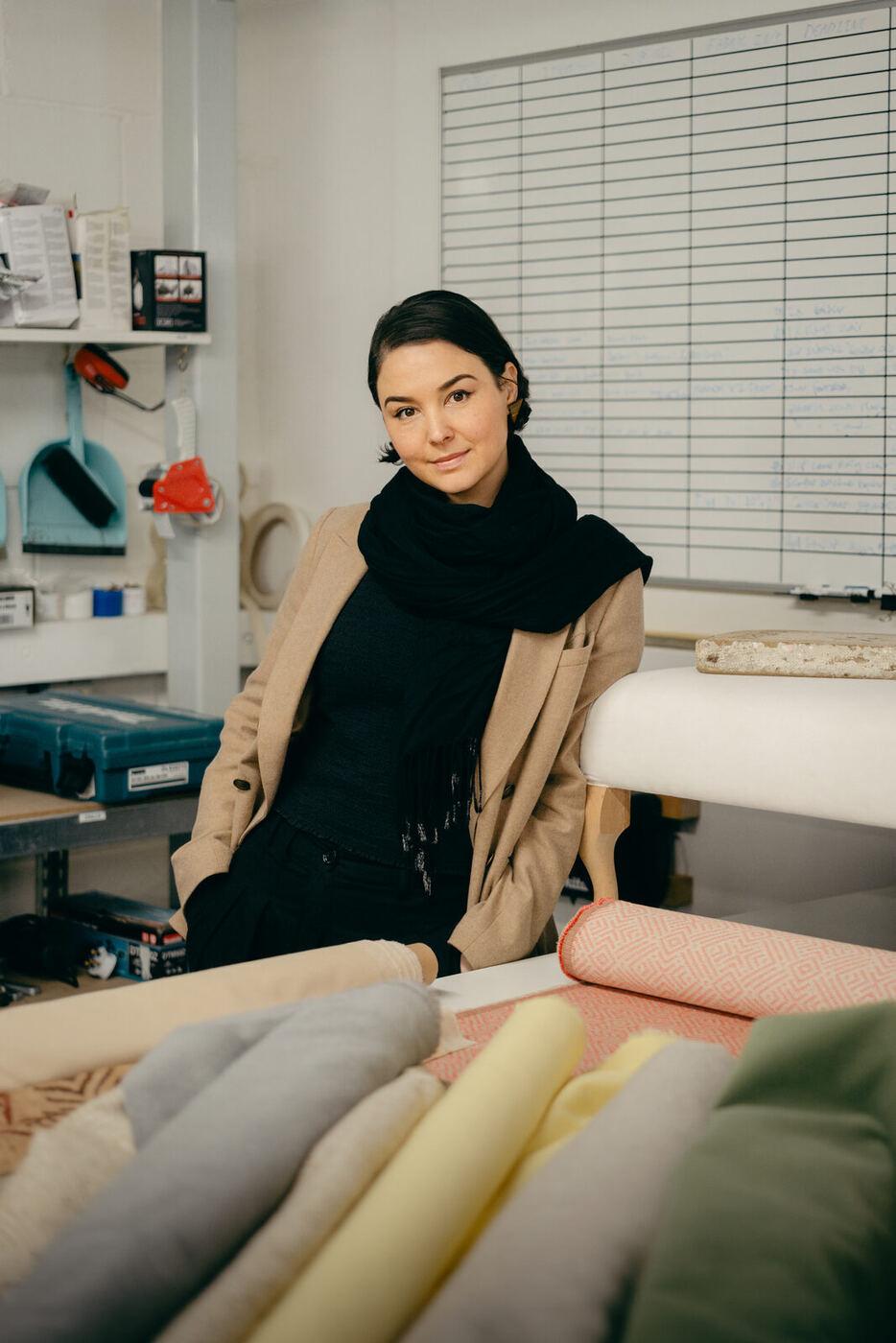
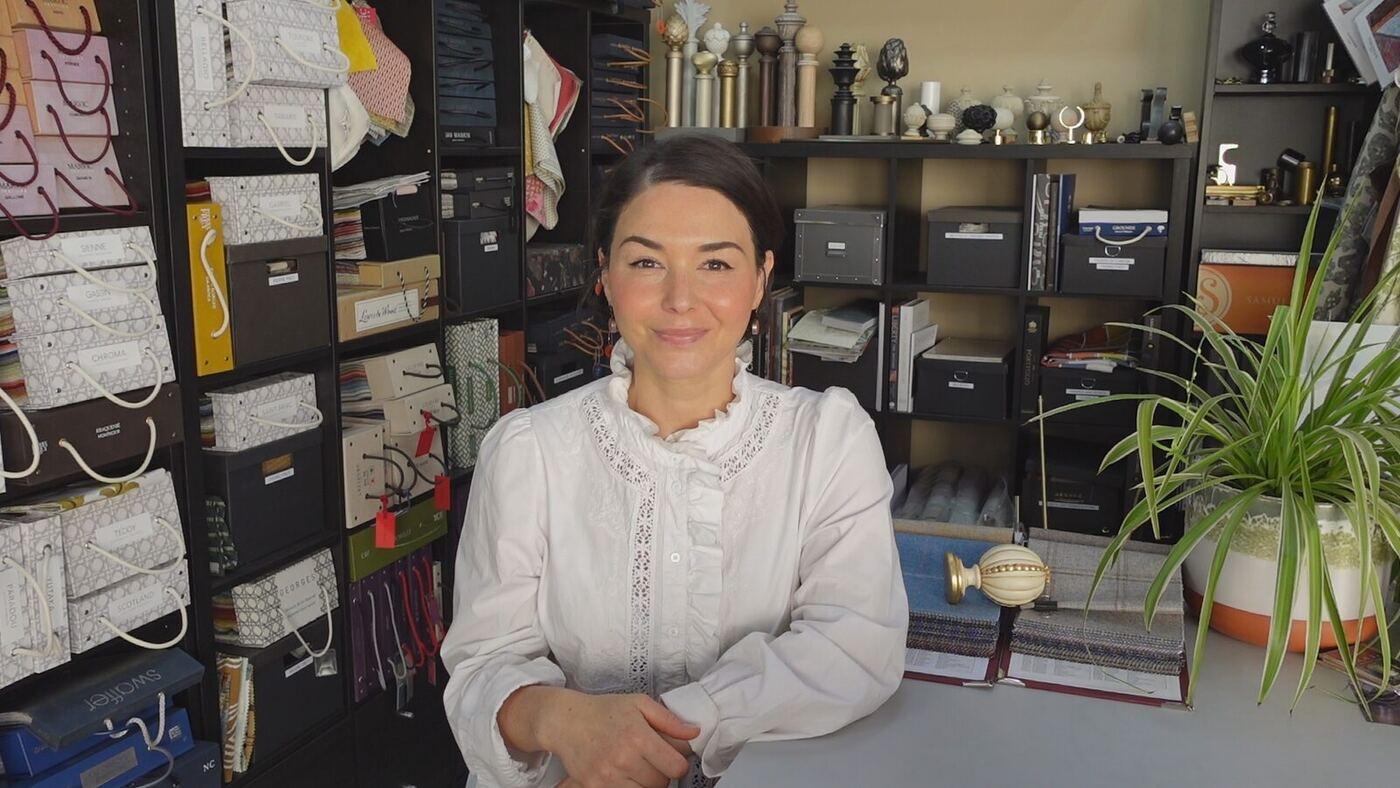
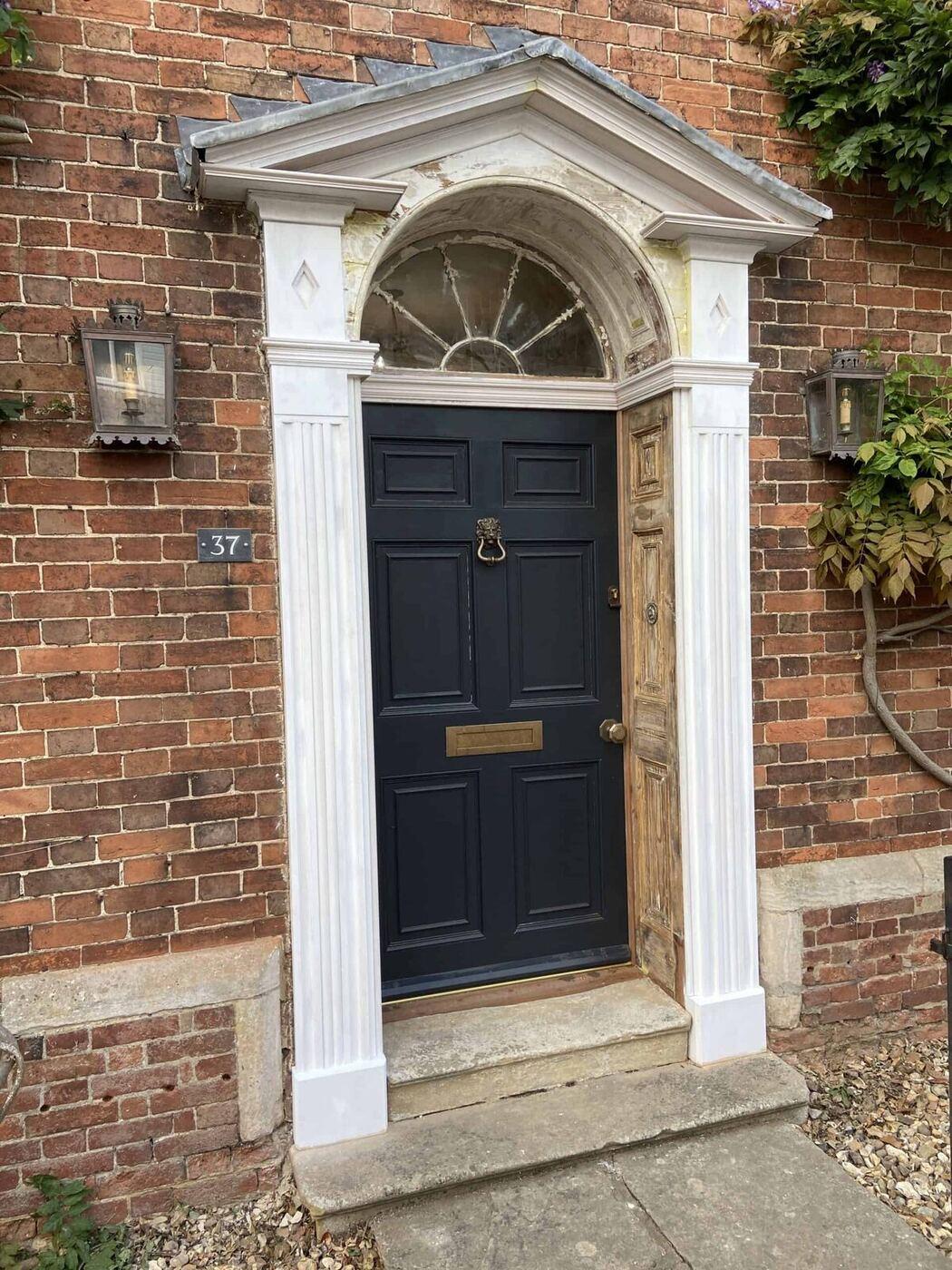
Sonnaz Nooranvary answered our questions by email on 26 October 2026 and approved the edited text on 2 November. Upholstery School is published by Octopus Books (Hachette UK). House of Sonnaz is at sonnaz.com.
Know someone in the trade who should read this?
Send it to them. The magazine is free, and it grows one colleague at a time.
The Furniture Magazine
Every issue, free in your inbox
Technique, tools and materials, finished work worth studying, trade news and jobs — free to the bench and the studio.
Free, every fortnight. One click unsubscribes. See our privacy policy.