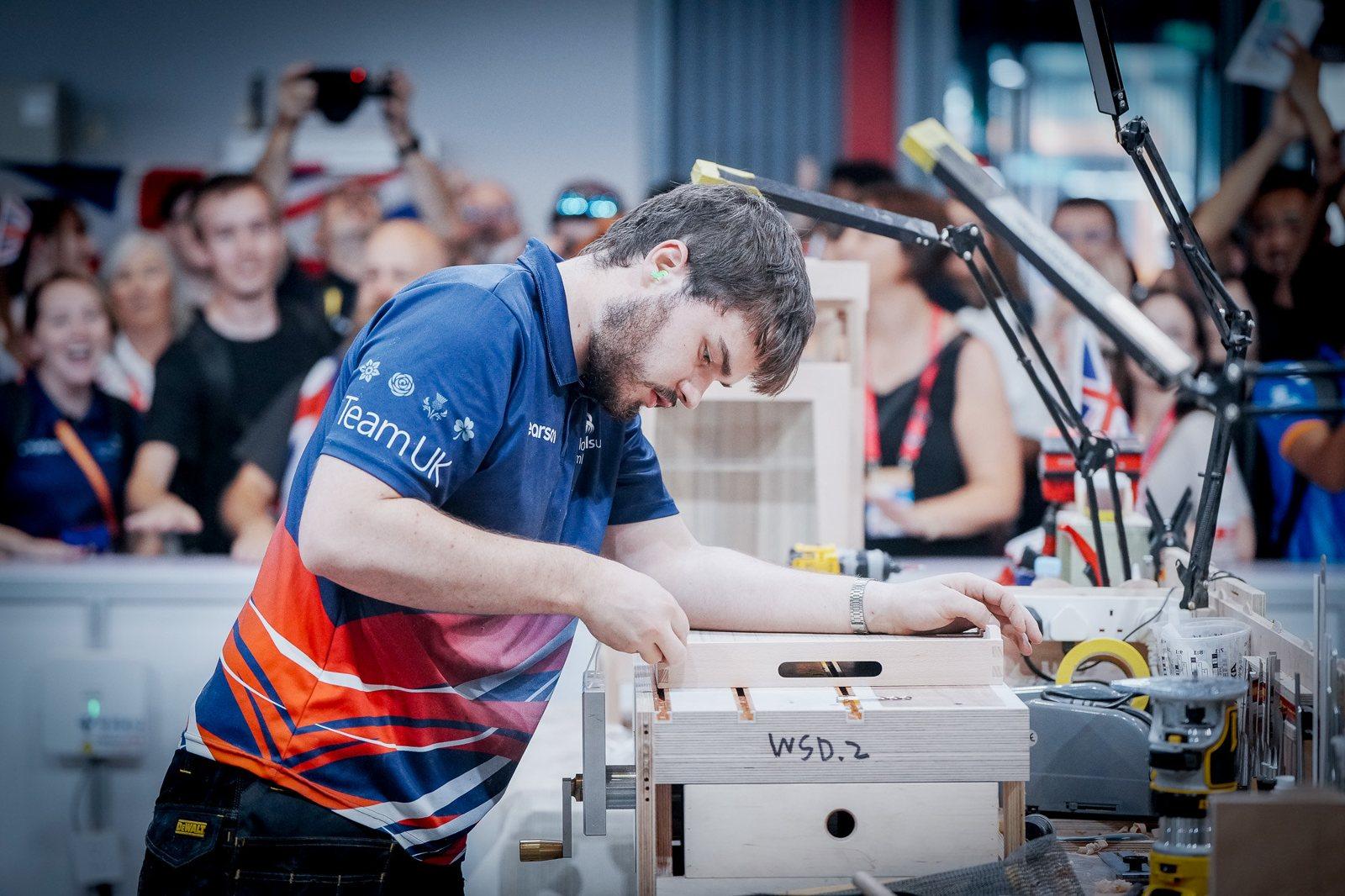
Ally Booker is a furniture restorer and Gemma Broad an upholsterer. Together they founded We Are Repairs, a directory of professional repairers, and launched the Repair Matters campaign on International Repair Day.
What made you build a directory for professional repairers, and who is it for?
As two independent repair business owners, we kept seeing the same problem. Millions of perfectly repairable pieces of furniture, clothing, electronics and other everyday items are being thrown away, often because finding someone to repair them is too hard. So we built We Are Repairs to make finding a professional repairer easier, to help independent businesses reach more customers, and to give repair the visibility it deserves.
It is for anyone who wants to keep their belongings in use for longer, but it is also for the repairers themselves: the upholsterer working alone in a small workshop, the furniture restorer bringing an old piece back to life. These businesses have so much to offer, but they need customers to find them easily and a system that values what they do.
Repair Matters went public on International Repair Day. What have the first days shown you?
Repair Matters is about making the repair economy impossible to ignore. The people doing this work are already making a difference. What has been missing is the recognition, measurement and support to help them do even more.
Our research with 109 independent upholsterers brought that home. Between them, they extended the life of 3,524 pieces of furniture in just 12 months, an estimated 105.7 tonnes of CO2e saved compared with buying new. And that is just one small snapshot of the repair sector. These are not hypothetical solutions. They are real businesses, real skills and real people already doing the work.
The campaign has been signed and shared by lots of businesses, organisations and members of the public, so we feel this is something the country wants and would benefit from.
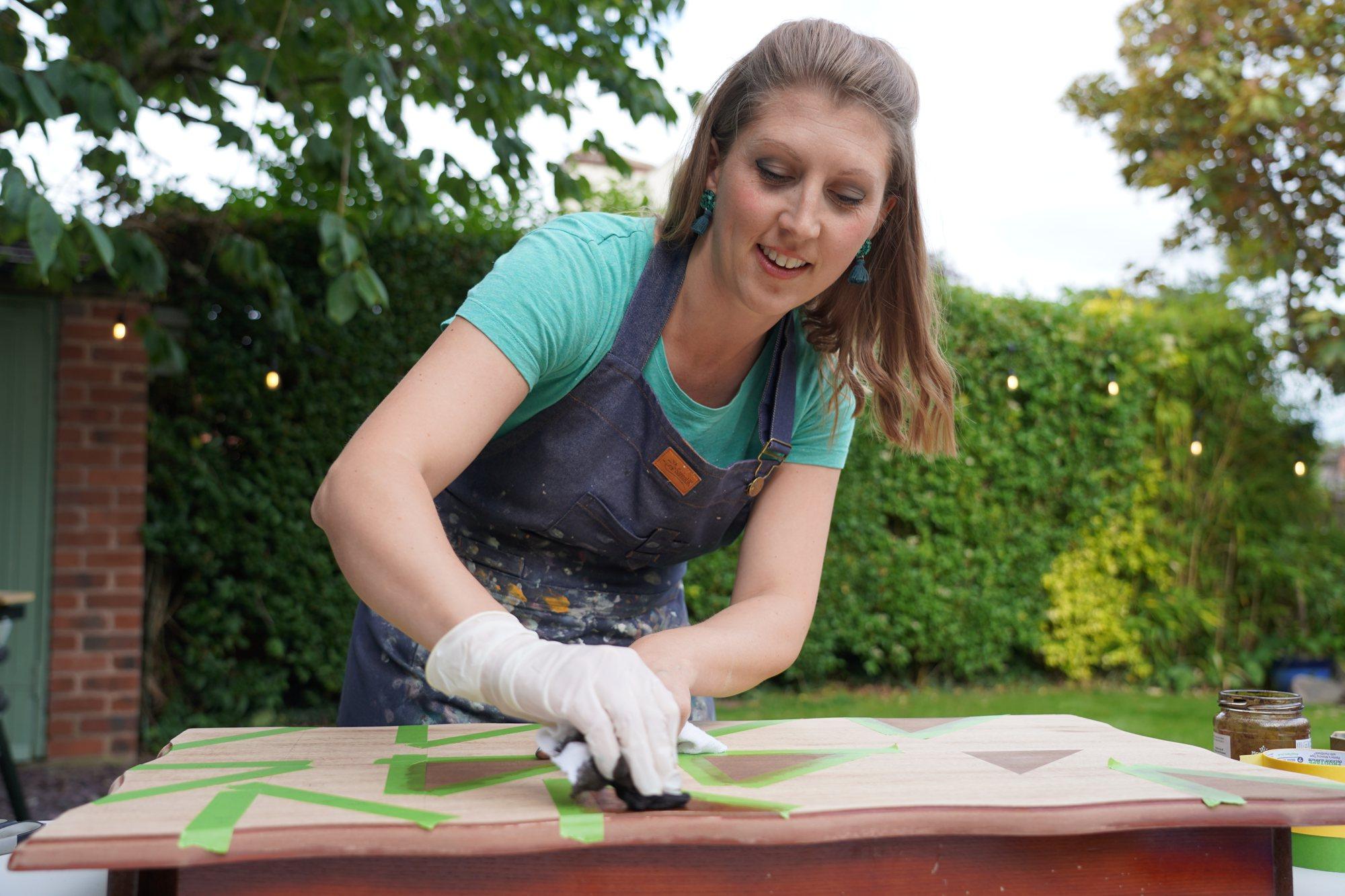
Where do furniture repairers sit in the campaign, and what would recognition change for a one-person workshop?
Free, every fortnight
Get the next issue in your inbox
Technique, finished work, trade news and live jobs, for the bench and the studio.
Free, every fortnight. One click unsubscribes. See our privacy policy.
They are absolutely central to it, and we know because we are in the same boat. Whether you are rebuilding a sprung seat, restoring a damaged frame, re-caning a chair or bringing a tired piece back to life, you are extending the life of something that might otherwise be replaced. Yet so much of this work is invisible in the bigger conversation about climate action and the economy.
Recognition needs to mean more than a government saying repair is important. It needs practical support: funding that independent businesses can actually apply for, training and apprenticeships that bring new people into the trade, local authorities that help repair businesses become part of thriving high streets, and stronger Right to Repair protections for access to parts, tools and information. We want a future where a repairer can afford a workshop on their local high street, build a sustainable business, train the next generation and put money back into their community.
What are you asking government to do, and what would success look like a year from now?
We are asking government to recognise repair as an essential part of the UK's economic, environmental and Net Zero strategies: the repair industry properly included in national climate and environmental policy; the carbon savings from repair measured and reported; stronger Right to Repair legislation; and more support for local authorities to invest in independent repair businesses, community repair initiatives, skills and apprenticeships. We also want funding to reach the small and micro businesses doing this work, which too often struggle to access support designed around larger organisations or charities.
A year from now, success would mean repair being taken seriously in policy discussions, progress towards measuring its environmental impact, and repair businesses included in conversations about local growth, skills and funding. Public support matters enormously too: our petition shows the government this is something people care about.
What would you like a furniture repairer reading The Furniture Magazine to do next?
First, know that this campaign, and We Are Repairs, is for you. We want furniture repairers to feel seen, valued and part of something bigger. Sign the Repair Matters petition at change.org/RepairMatters and share it with your customers, colleagues, your local MP and anyone who believes repair deserves more support. Join We Are Repairs if you have not already, and tell us about your experiences: what makes running a repair business difficult, and what better access to funding, apprenticeships or parts would mean for your workshop. This movement needs to be shaped by the people who understand repair best, the people doing it every day.
Sign the Repair Matters petition
Our report on the Repair Matters open letter
Sources
- Answers supplied in writing by Ally Booker and Gemma Broad, 5 November 2026, and approved by them as printed here. The survey figures are We Are Repairs' own research
- We Are Repairs
- Repair Matters petition, change.org
Words and photographs © We Are Repairs, published with their permission. This piece is editorial and was not paid for.
Know someone in the trade who should read this?
Send it to them. The magazine is free, and it grows one colleague at a time.
The Furniture Magazine
Every issue, free in your inbox
Technique, tools and materials, finished work worth studying, trade news and jobs — free to the bench and the studio.
Free, every fortnight. One click unsubscribes. See our privacy policy.